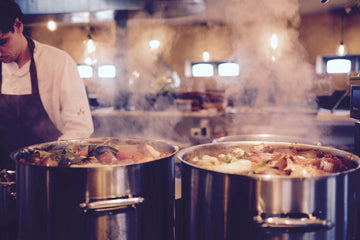
December arrives, and with it, winter and cold weather. To maintain good health, it's important to eat well and naturally. And there's no more natural way to eat than with the foods nature provides us during this month, such as almonds, turkey, or clams. |
Although winter officially begins in late December (the winter solstice is on December 21st), the typical cold of this season is felt earlier. We've already pulled out our heavy coats and anoraks from the closet, and sweaters and boots fill our wardrobe. But in December, it's not just important to bundle up; it's also very important to eat correctly to maintain good health. As we discussed in our other post What foods should we eat in autumn to combat fatigue? , Traditional Chinese Medicine recommends eating natural, seasonal foods to regulate Qi. And it's not just Traditional Chinese Medicine that suggests this; numerous nutritionists and doctors also advise eating seasonal foods. Farmers also benefit, as it helps nature and the soil by respecting crop cycles. December foods.December is a perfect month for eating fruits to provide vitamins. It's not the best season for fruits overall, but citrus fruits are at their best. They are excellent for everything: they prevent colds, are antioxidants, cardioprotective, diuretic, and disinfectant, and they contain minerals, calcium, magnesium, and vitamins. Citrus fruits in the morning are perfect for recharging and facing the day with strength and energy. Just a glass of water with lemon juice at breakfast will activate your metabolism and eliminate toxins.
However, we do not recommend them if you have any stomach problems, as they can cause acidity. It's also not advisable to eat citrus fruits at night, as their acidity can lead to heavy digestion, heartburn, and other digestive problems such as stomach aches or diarrhea. Furthermore, the vitamin C in these foods can have the same effect as a cup of coffee and cause insomnia. On the other hand, we must not forget the benefits of nuts such as almonds, chestnuts, and walnuts, which are harvested in December. Just a handful of these foods will provide energy, strengthen our bones, and protect our hearts. Among vegetables, the quintessential vegetable this month is broad beans. Also, at this time, in late November and early December, we can find the last wild mushrooms. Great for adding to winter stews, soupy rice dishes, or oven-baked meals. Goose barnacles and clams are only available during this season, making them the perfect seafood for December. Shellfish also begin to be in season, and we can find sea bass, gilthead bream, or red sea bream. Among meats, it's a good time for poultry, especially turkey, and for lamb and kid goat. Game meats also appear, such as pheasant, rabbit, partridge, or roe deer. Dishes to prepare in December.During the month of December, it is very good to eat stews that warm the body for the arrival of winter. Hearty, spoonable dishes that provide nutrients and strength to the body, using game meat. It is also good to use available vegetables and prepare creams and risottos with zucchini, pumpkins, eggplants, or chard. With seafood in season, we can cook soupy rice with crabs or clams marinara.Benefits of seasonal foods.Consuming seasonal foods has many benefits, and not just for our bodies: you eat foods that respect nature's cycles, which promotes crop rotation and greatly impoverishes the soil less. This makes the foods fresh, more nutritious, and have a more natural flavor and aroma than processed foods, which attempt to imitate them chemically. In addition, seasonal foods are better priced, because to consume out-of-season foods, they have to be imported from other areas... and transportation adds to the final price. Or, on the contrary, these out-of-season foods are grown with fertilizers and in greenhouses that increase production costs, and as a result, the selling price. If you opt for local, seasonal foods, less energy is consumed in cultivation and they leave a smaller ecological footprint when transported. Furthermore, local trade and the economy are fostered and improved. |
What seasonal foods should you eat in December?