Autumn arrives, and your spirits drop; you're more irritable, you feel more tired, and it's harder to concentrate. Have you noticed these mood changes? |
In autumn, about 90% of adults feel they have less energy, experience mood swings, and feel more depressed, according to a study by the University of Southampton in England. These symptoms are collectively known as Seasonal Affective Disorder (SAD). There are several causes for these physiological changes: rain, wind, seasonality, or pollution. The main cause is light, which plays a key role in regulating the body and hormone production. In autumn, we lose 3 minutes of sunlight each day, so the brain secretes more melatonin, a hormone that makes us more tired, sleepier, hungrier, gives us a worse mood, and makes us feel colder. If we add to this the fact that, in most cases, we have just returned from vacation and therefore spend less time with loved ones, and that even the clocks change, we make an effort to adapt that often leaves us with a feeling of 'jet lag', sadness, fatigue, and sluggishness. From the perspective of Traditional Chinese Medicine, autumn corresponds to the metal element, characterized by sadness, melancholy, and pessimism. |
To combat the lack of energy, there are several tips: make the most of daylight hours, find your space and set aside time each day for activities that motivate you, get enough sleep; and of course, eat well and in a balanced way. Traditional Chinese Medicine seeks this dietary balance through the Theory of the Five Elements for healing (metal, fire, earth, water, and wood). Within this theory, diet therapy (how the foods a person eats influence their Qi, or vital energy flow) plays a major role. Thus, each food has a yin (cold, calming, and cooling to the organs) or yang (hot, stimulating, and warming to the organs) nature, and a person's energy will depend on the quantity of yin or yang foods consumed. Therefore, Traditional Chinese Medicine recommends eating certain foods depending on the season to properly regulate Qi. In the case of autumn, which is related to the metal element, it represents preparation for winter. It is the time to cleanse the body of summer excesses and toxins and boost immunity. The Chinese method pays more attention at this time of year to Yang foods that purify the organ most related to autumn, the lungs, and with it, breathing; and that also generate body heat. |
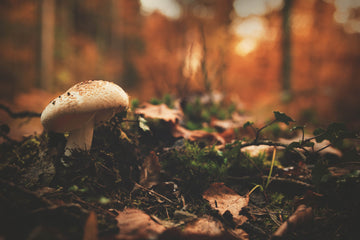
It is recommended to prepare dishes with longer cooking times and warm meals to prepare for the arrival of winter. The diet should be richer, more complete, and higher in calories, and soups should be abundant. Some foods and dishes that should be consumed in autumn are beef or lamb stews, chicken, cauliflower, potatoes, onions, mangoes, or white fish. It is also important to eat seasonal foods, such as mushrooms, which stimulate the immune system and prevent colds. Additionally, the flavor of autumn is spicy, as it harmonizes the respiratory system, stimulates and increases body temperature to combat the cold, and mobilizes body energy. These foods include radish, ginger, pepper, cinnamon, or garlic. To maintain good health, it is important to have a varied diet that combines yin and yang foods, adapting them to the climate, vital situation, and energy of the body at the moment, season, weather conditions, or time of year. Therefore, it makes no sense to eat a cucumber salad in winter or fatty meats in summer. Nor should an athlete eat the same as a child. It is important to seek a balance and eat according to the needs of our body. Eating appropriately is a source of health and allows the body to regain balance when it is disturbed. “Food should be medicine.” |
What foods should we eat in autumn to fight fatigue?